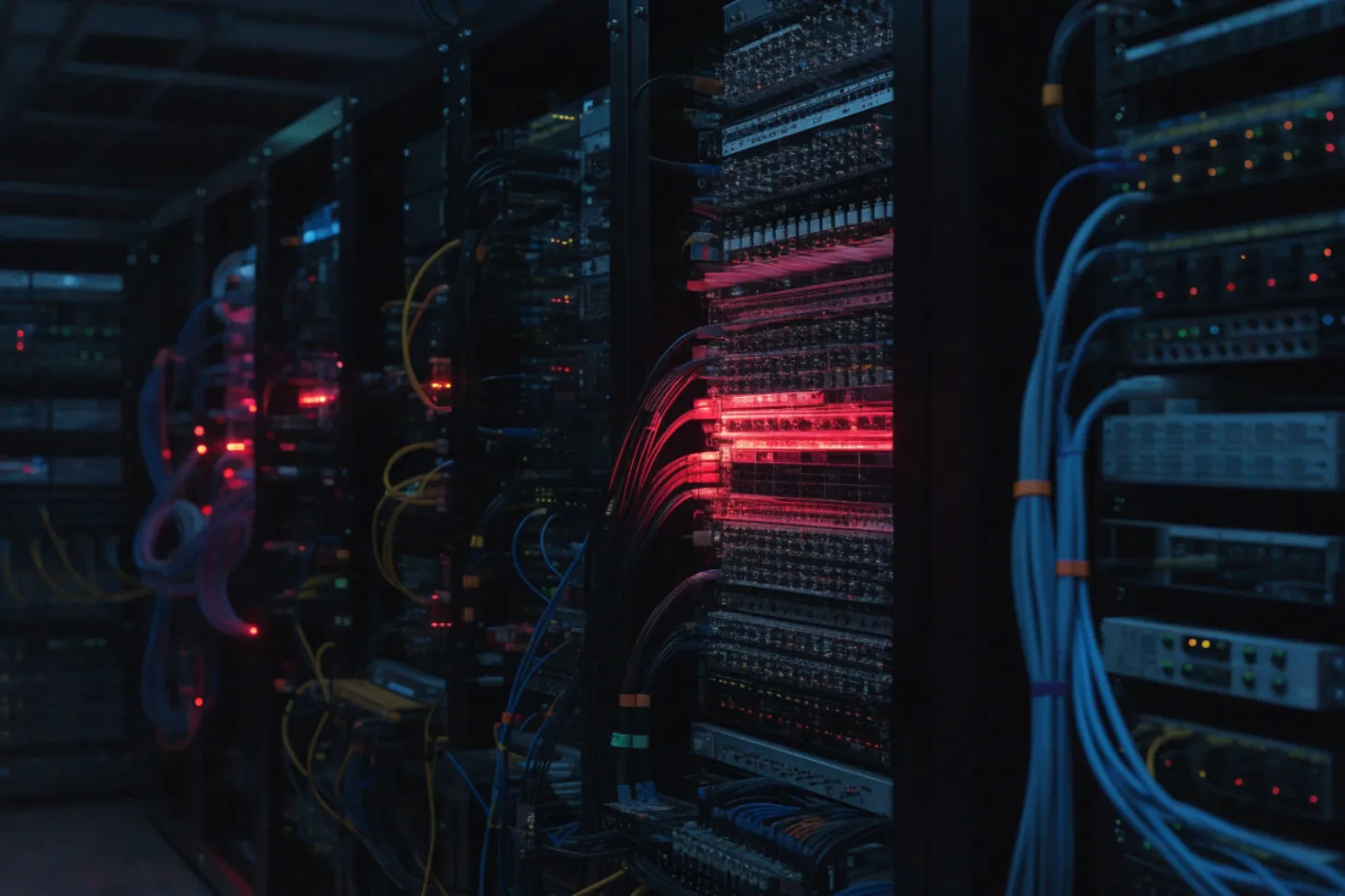
Obfs4 bridges are specialized Tor bridges that obfuscate Tor traffic, making it difficult for censors to detect and block access to the Tor network. As of October 2023, approximately 204,095 clients rely on obfs4 bridges, especially in regions with strict internet censorship. Key points include:
- They disguise Tor traffic as regular HTTPS traffic.
- Mode 2 is recommended for better resistance against timing attacks.
- Users can request valid obfs4 bridges via email to bridges@torproject.org.
Obfs4 Bridges Overview and Troubleshooting
| Key Feature | Details | Common Issues | Resolution Steps |
|---|---|---|---|
| User Base | 204,095 clients as of October 2023 | Permission errors on low-numbered ports | Adjust system settings |
| Traffic Obfuscation | Disguises Tor traffic as HTTPS | Connection failures due to network issues | Check internet connectivity |
| IAT Modes | Mode 2 recommended for timing attacks | Bridge not listed in metrics | Request via email to bridges@torproject.org |
| Censorship Evasion | Effective in strict censorship regions | High failure rates in certain areas | Test different bridges for reliability |
| Monitoring Tool | Nyx for real-time stats | Inaccurate logs or stats | Ensure Nyx is properly configured |
What are obfs4 Bridges?
Obfs4 bridges are a type of Tor bridge designed to obfuscate Tor traffic, making it challenging for censors to detect and block access to the Tor network. Unlike regular Tor bridges, which simply connect users to the Tor network, obfs4 bridges disguise Tor traffic as ordinary HTTPS traffic. This disguise is crucial in regions where internet censorship is prevalent, allowing users to bypass restrictions without drawing attention to their activities.
As of October 2023, approximately 204,095 clients have utilized obfs4 bridges, highlighting their significance in maintaining internet privacy and access in restrictive environments[1]. In countries like Turkmenistan, the use of obfs4 bridges surged in 2023 due to increased censorship efforts, demonstrating their vital role in facilitating access to information in oppressive regimes[2].
The obfs4 protocol has been developed to improve upon earlier methods of obfuscation, such as obfs2 and obfs3, providing enhanced security and performance[3]. Notably, obfs4 supports various IAT (Intermediate Access Transport) modes, with mode 2 being recommended for better resistance against timing attacks[4]. This feature is particularly important when considering the risks associated with internet surveillance and traffic analysis.
Statistics show that the obfs4 protocol boasts a high success rate in establishing connections, with reports indicating a 95.4% success rate in recent metrics[5]. This high level of reliability makes obfs4 bridges a preferred choice for users seeking anonymity and security online.
In summary, obfs4 bridges serve a critical purpose in the Tor network by enabling users to circumvent censorship while ensuring their online activities remain private. Their effectiveness in disguising traffic and maintaining high connection success rates underscores their importance in the fight for internet freedom.
How obfs4 Bridges Work
Obfs4 bridges utilize advanced obfuscation techniques to mask Tor traffic, rendering it nearly indistinguishable from standard HTTPS traffic. This is essential for users in regions with strict internet censorship. The obfuscation process makes it difficult for censors to identify and block Tor usage, allowing for smoother access to the Tor network even under oppressive conditions[6].
The obfs4 protocol employs various Intermediate Access Transport (IAT) modes, with mode 2 being particularly recommended for its superior resistance to timing attacks[4]. Timing attacks can reveal patterns in traffic that could compromise user anonymity. By using mode 2, obfs4 bridges minimize the risk of such vulnerabilities, enhancing overall security for users.
Pluggable transports, like obfs4, act as intermediaries between the user and the Tor network. They modify the traffic to make it appear as if it is coming from a different source, effectively disguising its true nature. This is crucial in environments where ISPs actively monitor and block known Tor traffic. In fact, obfs4 bridges have been used by approximately 204,095 clients as of October 2023, showcasing their reliance among users needing to bypass censorship[1].
Monitoring tools can further enhance the effectiveness of obfs4 bridges. For instance, the Nyx command-line tool allows users to track real-time statistics and logs related to their bridge's performance[7]. This capability is vital for troubleshooting and optimizing bridge operation.
In summary, obfs4 bridges provide a robust solution for circumventing censorship through sophisticated obfuscation techniques. Their design and functionality ensure that users can maintain their privacy and access the Tor network even in restrictive environments.
Setting Up obfs4 Bridges
Setting up an obfs4 bridge involves several steps, including software requirements, configuration settings, and awareness of common pitfalls. Follow this guide to establish your own obfs4 bridge effectively.
Software Requirements
- Tor Software: Ensure you have the latest version of the Tor software installed. You can download it from the official Tor Project website.
- Operating System: obfs4 bridges can be set up on various operating systems, including Linux, Windows, and macOS. Linux is often preferred for server stability and performance.
- Dependencies: Install any necessary dependencies. On Debian-based systems, you can use
apt-get install obfs4proxyto install the obfs4 proxy.
Configuration Settings
Edit the Tor Configuration File: Locate the
torrcfile, usually found in/etc/tor/on Linux systems. Add the following lines:Bridge obfs4 <bridge-address> <bridge-port> <fingerprint>Replace
<bridge-address>,<bridge-port>, and<fingerprint>with the appropriate values provided by the Tor Project.Set Up obfs4Proxy: Include the following in your
torrcfile to enable obfs4:BridgeTransport obfs4 UseBridges 1Choose IAT Mode: It’s recommended to set the IAT mode to 2 for better resistance against timing attacks. Add this line to your configuration:
obfs4proxy iat-mode=2Port Configuration: Ensure that the TCP port you choose for the bridge is exposed to the internet. Common practice is to use ports above 1024 to avoid permission issues[8].
Common Pitfalls to Avoid
- Permission Errors: If you encounter errors binding to a low-numbered port, consider changing to a higher port or adjusting your system’s firewall settings[8].
- Network Connectivity: Ensure your internet connection is stable and capable of 24/7 uptime, as obfs4 bridges require constant availability[9].
- Bridge Visibility: If your bridge is not listed in metrics, verify that you have correctly configured your
torrcfile and that your bridge is operational. You can request valid obfs4 bridges via email to bridges@torproject.org[10].
Monitoring your bridge is crucial. Tools like Nyx can provide real-time statistics and logs, allowing you to track performance and troubleshoot issues effectively[7].
Setting up an obfs4 bridge can significantly aid users in circumventing censorship, especially in regions with strict internet controls.
Monitoring obfs4 Bridges
Monitoring obfs4 bridges is essential for maintaining both performance and security. Given that obfs4 bridges are used by approximately 204,095 clients to access the Tor network, effective monitoring ensures that these bridges operate optimally, especially in regions with strict internet censorship[1].
Importance of Monitoring
Monitoring helps identify performance issues and potential security threats. For instance, if a bridge experiences frequent disconnections or latency, users may struggle to maintain a stable connection to the Tor network. Additionally, monitoring can help detect unauthorized access attempts or abnormal traffic patterns that could indicate security vulnerabilities.
Recommended Tools
Several tools can facilitate effective monitoring of obfs4 bridges:
Nyx: This command-line tool provides real-time statistics and logs, enabling operators to track performance metrics such as bandwidth usage and connection success rates[7]. By analyzing these metrics, operators can identify trends and adjust configurations as needed.
Prometheus and Grafana: These two tools work together to offer a robust monitoring solution. Prometheus collects metrics from the bridge, while Grafana visualizes this data in customizable dashboards. With Grafana, operators can create alerts based on specific thresholds, such as bandwidth drops or connection failures, ensuring timely responses to potential issues.
Key Metrics to Monitor
- Connection Success Rate: Tracking the percentage of successful connections can help gauge the overall health of the bridge. A high success rate, such as the reported 95.4% for obfs4 bridges, indicates effective performance[5].
- Bandwidth Usage: Monitoring bandwidth helps ensure that the bridge is not overwhelmed and can handle user traffic efficiently.
- Error Rates: Keeping an eye on error messages can reveal issues such as permission errors or configuration missteps[8].
Practical Scenario
Suppose you notice a sudden drop in connection success rates on your obfs4 bridge. By using Nyx, you can quickly check if the bridge is experiencing resource constraints or if there’s a need for configuration adjustments. If the issue persists, you can further analyze the metrics in Grafana to identify patterns that might indicate external interference or internal misconfigurations.
Effective monitoring of obfs4 bridges is crucial for ensuring their reliability and security. By employing tools like Nyx, Prometheus, and Grafana, operators can proactively manage performance, troubleshoot issues, and maintain a secure environment for users accessing the Tor network.
Legal Considerations for Running obfs4 Bridges
Running an obfs4 bridge involves navigating various legal implications that differ across jurisdictions. Legal liabilities may arise from facilitating access to content that could be deemed illegal under local laws. Understanding these implications is crucial for anyone considering operating an obfs4 bridge.
Countries with strict internet censorship often impose severe penalties on individuals who assist in circumventing these controls. For instance, in Iran, the government actively monitors and punishes those who provide tools for accessing banned content. Individuals caught running a bridge could face fines or imprisonment. Similarly, in China, where internet censorship is pervasive, running an obfs4 bridge could lead to significant legal repercussions, including detention.
In contrast, some countries have more lenient regulations regarding internet privacy and freedom of expression. For example, in Sweden, there is a strong legal framework protecting the right to privacy online, making it less risky to operate an obfs4 bridge. However, even in such jurisdictions, bridge operators should remain aware of the potential for changes in legislation that could impact their activities.
The obfs4 protocol is designed to obfuscate Tor traffic, making it difficult for censors to detect and block its usage[6]. This obfuscation is particularly valuable in oppressive regimes, as evidenced by the increased use of obfs4 bridges in Turkmenistan in 2023 due to heightened censorship measures[2]. Despite this, operators must remain cautious, as local laws may still hold them accountable for any illegal activities conducted through their bridges.
To mitigate legal risks, operators should consider the following steps:
Research Local Laws: Understand the specific legal landscape in your country regarding internet censorship and privacy. This knowledge can help you assess the risks associated with running an obfs4 bridge.
Use Anonymizing Techniques: Implement measures to protect your identity and location while operating a bridge. This may include using a Virtual Private Network (VPN) or hosting the bridge in jurisdictions with favorable laws.
Stay Informed: Regularly monitor changes in legislation related to internet privacy and censorship. Being proactive can help you adapt to any new legal challenges that may arise.
Legal considerations play a significant role in the decision to run an obfs4 bridge. By understanding the implications and taking appropriate precautions, operators can better navigate the complexities of internet censorship laws.
Common Issues and Troubleshooting
Using obfs4 bridges can present several challenges that may hinder your ability to connect to the Tor network. Understanding these common issues and how to troubleshoot them can help ensure a smoother experience.
Connection Errors
One of the most frequent issues users encounter is connection failure. If you see error messages indicating that the bridge is unreachable, it may be due to network restrictions or incorrect configuration. Check the following:
- Firewall Settings: Ensure that your firewall allows traffic on the port used by the obfs4 bridge. If you’re using a port below 1024, permission errors can occur[8]. Switching to a higher port, such as 8080, can often resolve this.
- Correct Bridge Information: Verify that the bridge address, port, and fingerprint in your
torrcfile are accurate. Any discrepancies can prevent a successful connection.
Performance Issues
Users may experience slow connection speeds or intermittent disconnections. This can stem from several factors:
- Bandwidth Limitations: If the bridge is overloaded with traffic, performance may degrade. Monitoring tools like Nyx can help assess bandwidth usage[7]. If you notice high usage, consider running a separate bridge to distribute the load.
- Network Stability: Ensure your internet connection is stable and capable of 24/7 uptime, as obfs4 bridges require constant availability[9]. If your connection drops frequently, it may lead to connection issues for users relying on your bridge.
Configuration Problems
Misconfigurations can lead to various errors. Common pitfalls include:
- Obfs4proxy Settings: Make sure that the
obfs4proxyis correctly referenced in your configuration. Using the recommended IAT mode 2 can enhance security and performance[4]. - Bridge Transport Settings: Ensure that you have included the necessary lines in your
torrcfile to enable the obfs4 transport. Missing configurations can prevent the bridge from functioning properly.
Error Messages
Familiarity with common error messages can aid in troubleshooting:
- "Failed to connect to bridge": Indicates that the bridge is unreachable. Check firewall settings and bridge details.
- "Permission denied": Often appears when trying to bind to a low-numbered port. Switch to a higher port or adjust system settings to grant permissions[8].
Practical Scenario
Suppose you are unable to connect to your obfs4 bridge, and you receive a "Failed to connect" message. Start by checking your firewall settings to ensure the port is open. Next, confirm that the bridge details in your torrc file are correct. If issues persist, use Nyx to monitor bandwidth and see if your bridge is overloaded.
Addressing these common issues can significantly improve your experience with obfs4 bridges, allowing you to maintain access to the Tor network more effectively.
Comparing obfs4 with Other Pluggable Transports
obfs4 and Snowflake are two prominent pluggable transports used to enhance access to the Tor network, especially in regions with heavy censorship. Each has unique features that may make one more suitable than the other depending on the user's circumstances.
obfs4
The obfs4 protocol is specifically designed to obfuscate Tor traffic, making it appear as regular HTTPS traffic, which is crucial in environments where Tor usage is heavily monitored[6]. As of October 2023, obfs4 bridges have been used by approximately 204,095 clients, demonstrating their significance in bypassing censorship[1]. obfs4 supports various IAT modes, with mode 2 recommended for better resistance against timing attacks[4]. This makes obfs4 particularly effective in oppressive regimes, as seen in Turkmenistan, where its usage surged in 2023 due to increased censorship[2].
Snowflake
Snowflake operates differently by utilizing a peer-to-peer approach. Users act as "snowflakes," helping others connect to the Tor network. This transport is particularly useful in environments where censorship is dynamic, as it can adapt to changing network conditions. Unlike obfs4, Snowflake does not require a static server but relies on volunteer users to provide connectivity, making it less predictable but highly flexible.
When to Use Each
Choosing between obfs4 and Snowflake depends on several factors:
Static vs. Dynamic Censorship: If you are in a region with static censorship, obfs4 might be more effective due to its consistent obfuscation techniques. For dynamic censorship, where the level of blocking can change, Snowflake could be more advantageous as it can quickly adapt to new conditions.
Availability of Resources: obfs4 requires a stable server with 24/7 internet connectivity and the ability to expose TCP ports[9]. If you cannot maintain such a setup, using Snowflake may be preferable since it relies on volunteer users and does not demand constant server availability.
User Experience: obfs4 has shown a high connection success rate of 95.4%, which highlights its reliability under the right conditions[5]. Snowflake's performance can vary based on the number of active volunteers at any given time, which may lead to inconsistent connectivity.
Understanding the strengths and weaknesses of each transport can aid users in selecting the right tool for their specific circumstances.
Future of obfs4 Bridges
The future of obfs4 bridges holds significant promise as internet censorship continues to evolve. As of October 2023, obfs4 bridges are utilized by approximately 204,095 clients, indicating their critical role in providing access to the Tor network in regions with restrictive internet policies[1]. The obfs4 protocol is designed to obfuscate Tor traffic, rendering it challenging for censors to detect and block users[6].
Anticipated developments in obfs4 technology include enhancements in its obfuscation capabilities. Current trends suggest a growing need for resilient methods to bypass increasingly sophisticated censorship techniques. For instance, in 2023, the usage of obfs4 bridges surged in Turkmenistan amid heightened censorship, underscoring their importance in oppressive regimes[2]. This trend may lead to further innovations in the obfs4 protocol, potentially increasing its effectiveness against detection.
Experts project that the demand for obfs4 bridges will rise as more users seek anonymity and privacy online. This is particularly relevant in countries where internet freedom is under threat. The obfs4 protocol's support for different IAT modes, especially mode 2, enhances its resistance against timing attacks, making it a more robust choice for users concerned about security[4].
Operators of obfs4 bridges are encouraged to maintain 24/7 connectivity and consider configurations that optimize performance while ensuring legal compliance[9]. As the landscape of internet censorship evolves, the call for more long-running obfs4 bridges will likely grow, especially those that can effectively evade detection[11].
In conclusion, the future of obfs4 bridges will be shaped by the ongoing battle against censorship, with advancements in technology and an increasing user base driving the need for reliable access to the Tor network.
Common Misconceptions and Mistakes
Assuming obfs4 Bridges Are Always Effective
Many users believe that obfs4 bridges will always bypass censorship successfully. While they are designed to obfuscate Tor traffic, their effectiveness can vary based on the sophistication of censorship techniques employed in certain regions. For instance, in Turkmenistan, the usage of obfs4 bridges surged in 2023 due to heightened censorship, illustrating that their success depends on local conditions[2]. Regularly testing and updating bridge configurations can help maintain effectiveness.
Ignoring Legal Implications
Some operators overlook the legal risks associated with running obfs4 bridges. Depending on local laws, they may be held liable for facilitating access to illegal content, which can lead to serious consequences[12]. Understanding the legal landscape in your country is crucial for mitigating risks. Researching local regulations and seeking legal advice can provide clarity on your responsibilities as a bridge operator.
Neglecting Monitoring and Maintenance
A common mistake is failing to monitor the performance of obfs4 bridges. Without proper monitoring, operators may miss critical issues such as bandwidth overload or connectivity problems. Tools like Nyx can provide real-time statistics and logs, enabling operators to address issues proactively[7]. Regularly checking performance metrics ensures that the bridge remains functional and efficient for users.
Misunderstanding Configuration Settings
Users often misconfigure their obfs4 bridges, leading to connection errors or suboptimal performance. For example, binding to low-numbered ports can result in permission errors, which can be resolved by adjusting system settings or switching to higher ports[8]. Familiarizing yourself with the correct configuration settings and common pitfalls can help prevent these issues.
Overlooking the Benefits of Different IAT Modes
Some operators fail to utilize the different IAT modes available in the obfs4 protocol. Mode 2 is recommended for better resistance against timing attacks, yet many do not implement it[4]. Choosing the appropriate IAT mode based on the operational environment can enhance security and performance, making it vital to understand these options fully.
Relying Solely on obfs4 Without Comparison
Lastly, some users assume that obfs4 is the only viable option for circumventing censorship. While obfs4 is effective, comparing it with other pluggable transports like Snowflake can reveal additional solutions suited to specific needs. For instance, Snowflake's peer-to-peer approach may be more effective in dynamic censorship environments, offering flexibility that obfs4 does not[9]. Exploring all options can lead to more robust solutions for accessing the Tor network.
People also ask
- What is an obfs4 bridge?
An obfs4 bridge is a type of Tor bridge that uses the obfs4 protocol to obfuscate Tor traffic, making it appear like regular HTTPS traffic. This is crucial for bypassing censorship in regions where internet access is heavily monitored and restricted[6].
- Which bridge in Tor Browser is the best?
There is no definitive 'best' bridge, as the effectiveness of a bridge can depend on local censorship conditions and user needs. However, obfs4 bridges are widely used due to their ability to disguise Tor traffic effectively, making them a popular choice among users facing strict internet censorship[1].
- Should I connect to Tor with bridges?
Connecting to Tor with bridges is advisable if you are in a region with heavy censorship that blocks direct access to the Tor network. Bridges like obfs4 can help you bypass these restrictions and maintain your privacy online[13].
- How do I find valid obfs4 bridges?
To find valid obfs4 bridges, you can request them via email to bridges@torproject.org, specifying the transport type you need. This method ensures you receive up-to-date and functional bridge addresses[10].
- What are the benefits of using obfs4 bridges?
The primary benefits of using obfs4 bridges include their ability to effectively disguise Tor traffic, making it harder for censors to detect and block usage. As of October 2023, obfs4 bridges have been used by approximately 204,095 clients, indicating their significant role in providing access to the Tor network in restrictive environments[1][6].
- How do obfs4 bridges compare to Snowflake?
obfs4 bridges and Snowflake serve similar purposes but operate differently. obfs4 bridges use a static server model to obfuscate traffic, while Snowflake utilizes a peer-to-peer approach, allowing users to connect dynamically. This makes obfs4 more suitable for static censorship, while Snowflake can adapt better to changing conditions[9].
- What tools can I use to monitor my obfs4 bridge?
To monitor your obfs4 bridge, you can use the Nyx command-line tool, which provides real-time statistics and logs about your bridge's performance. This tool helps you assess bandwidth usage and identify potential issues, ensuring your bridge remains functional[7].
Conclusions
- obfs4 bridges are crucial for bypassing censorship, particularly in restrictive environments, with approximately 204,095 clients using them as of October 2023.
- Mode 2 of the obfs4 protocol is recommended for enhanced resistance against timing attacks, making it a strong choice for security-conscious users.
- Regular monitoring and maintenance of obfs4 bridges are essential to ensure optimal performance and connectivity, utilizing tools like Nyx for real-time insights.
- Understanding local legal implications is vital for bridge operators to mitigate risks associated with facilitating access to restricted content.
- Comparing obfs4 with other solutions like Snowflake can provide users with additional options tailored to their specific censorship challenges.
For further steps, consider reviewing the Legal Considerations When Running a Tor Relay to ensure compliance while operating your obfs4 bridge.
Sources
- Users – Tor Metrics
- [tor-relays] Help Turkmens to bypass Internet censorship: run an obfs4 bridge!
- Dissecting Tor Bridges: a Security Evaluation of
- Tor obfs4 bridge with iat-mode=2
- Users – Tor Metrics
- Tor bridges - Tor Project
- Create Tor Private Obfs4 Bridges
- Bridge obfs4proxy permission error - Relay Operator - Tor Project Forum
- Bridge - Tor Project
- Here are your bridge lines - The Tor Project
- [tor-relays] [Important] A call for more long running bridges
- Tails - Troubleshooting connecting to Tor
- Using Bridges - Circumvention - Tor - Support